Interpretation of Korean Shamanism in Animation: From Dokkaebi to Grim Reapers
Explore the cultural and historical background of Korean shamanism, dokkaebi, and grim reapers through the lens of animation. Discover how K-pop Demon Hunters reimagines Korean myths for global audiences, blending tradition and pop culture.

Image Source: KPOP Demon Hunters (2025), © Sony Pictures Animation / Netflix. Used under fair use for cultural commentary.
Table of Contents
1. The Mystical World of Korean Shamanism in Animation
Korean shamanism, with its roots stretching back over a millennium, remains one of the most distinctive elements of Korean cultural heritage. When brought to life through animation, these traditions create vivid worlds where the boundaries between the seen and unseen blur into vibrant storytelling. Recent shows like K-pop Demon Hunters reimagine these age-old myths for new generations, blending ancient wisdom with the infectious energy of K-pop.
What do you think about the fusion of traditional folklore and modern animation? Have you experienced the emotional impact of these stories?
1.1 Ancient Beliefs, Modern Stories
- Korean shamanism, or musok, is an embodied spiritual practice where shamans (mudang) serve as mediators between the human and spirit worlds[1][4][5].
- The rituals, costumes, and mythical paintings are more than relics—they bring deities to life, letting animation and visual art become new ‘media’ for the supernatural[1][3].
- Animations today utilize these deep-rooted traditions to create universal stories of hope, conflict, and self-discovery.
1.2 The Rise of K-Shamanism in Pop Culture
- Films like “Exhuma” and animated hits such as KPop Demon Hunters have propelled K-shamanism to global fame, showcasing its unique philosophical outlook[5][7].
- Unlike Western occult tales that pit good against evil, Korean stories depict shamans as moral mediators, inviting viewers to explore complex shades of meaning.
- This cultural depth offers untapped creative potential, making K-content stand out as fresh and multifaceted[5].
2. Dokkaebi: Korea’s Enigmatic Goblins
Perhaps the most beloved figures of Korean folklore, Dokkaebi (Korean goblins) bridge the worlds of prankster and protector. They are the supernatural wildcards—sometimes benevolent, sometimes mischievous—whose magic and mystery echo through stories old and new[6][8][10][18].
Have you ever encountered dokkaebi stories in pop culture or animation? Which depiction resonated with you most?
2.1 Origins and Folkloric Traits of Dokkaebi
- Originating in shamanistic beliefs, dokkaebi were spirits of nature, dwelling in mountains or forests, or even inside household objects[8][12][18].
- They have supernatural powers: shape-shifting, wielding magical clubs (bangmangi), summoning wealth, and influencing fate[8][10][14].
- Dokkaebi often act as playful tricksters yet can reward goodness with gifts or mete out poetic justice against the greedy.
2.2 Dokkaebi in Modern Animation and Media
- TV dramas like “Guardian: The Lonely and Great God” and games such as “Blade & Soul” have revitalized their image for modern audiences[8][16].
- Animated series use dokkaebi characters to illustrate moral lessons, explore loneliness and redemption, or provide comic relief amid darker themes.
- The adaptability of dokkaebi allows each storyteller to infuse them with new meaning—a testament to their enduring charm.
3. Grim Reapers (Sashin): Stewards of the Afterlife in Animation
The figure of the Sashin (grim reaper) in Korean culture diverges sharply from Western counterparts. More than harbingers of death, they are nuanced guides, helping souls transition and balancing the cosmic scales—a role richly explored in animation, notably in projects like KPop Demon Hunters[5][7][11].
Has this information been helpful so far? Do you have any questions about the symbolism of death in Korean animation?
3.1 From Myth to Modernity: Korean Grim Reapers
- In classical tales, sashin appear as solemn, neutral figures—neither wholly good nor evil—carrying out their duty with dignity.
- Modern animation humanizes them, giving reapers personalities, struggles, and even desires outside their cosmic roles[7].
- In KPop Demon Hunters, the Saja Boys (animated grim reaper idols) are imbued with both star power and supernatural gravitas, reshaping how audiences perceive death and duty.
3.2 The Haunted House and Expanding Interpretations
- South Korean animated films like The Haunted House Special: Red Eyed Reaper use the grim reaper as a narrative catalyst, blending traditional imagery (such as the ‘gat’ hat) with contemporary adventure and horror tropes[11].
- This multifaceted approach broadens the appeal of Korean afterlife lore, sparking curiosity and empathy among global viewers.
Please share your thoughts in the comments! Which interpretation of Korean afterlife mythology fascinates you the most?
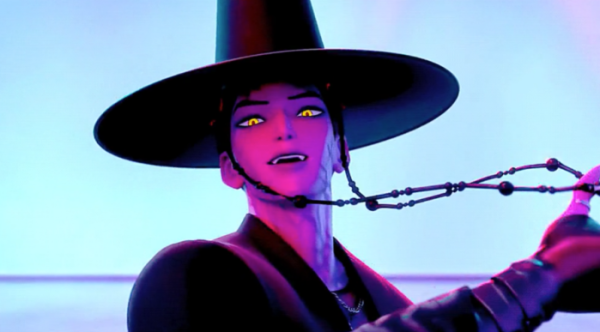
Image Source: KPOP Demon Hunters (2025), © Sony Pictures Animation / Netflix. Used under fair use for cultural commentary.
4. K-pop Demon Hunters: Bridging Tradition and Trend
K-pop Demon Hunters isn’t just a hit—it’s a cultural phenomenon melding the vibrance of K-pop with rich shamanic heritage, bringing Korean spiritual motifs to the forefront of global pop culture[5][7][19].
4.1 Fusing K-pop Stardom with Shamanic Warriors
- The protagonist girl group, HUNTR/X, battles supernatural evil through music and unity, reflecting the shaman’s role as protector.
- Opposing them, the Saja Boys personify the allure of darkness—yet also the possibility of reconciliation with one’s shadows[7].
- The creative team harnessed real K-pop production expertise, enhancing authenticity and cross-cultural resonance.
4.2 Legacy and Global Impact
- By blending mythological motifs and cutting-edge animation, K-pop Demon Hunters introduces non-Korean audiences to the spiritual dynamism of Korean tradition.
- The success of such shows paves the way for more Korean legends to be reinterpreted for the world stage, amplifying Korea’s cultural footprint[5][19].
- Audiences are left to ponder: Where does myth end and reality begin? And how do these stories shape our understanding of heroism, sacrifice, and belonging?
If this article was helpful, please share it! What would you choose—team HUNTR/X or Saja Boys?
In conclusion, the fascinating interplay of folklore and innovation in Korean animation, from dokkaebi‘s cheeky mischief to the dignified gravitas of the grim reaper, is redefining how culture is preserved and reinvented. By embracing both history and pop artistry, shows like K-pop Demon Hunters not only entertain but also act as living bridges—connecting the wisdom of the past with the hopes of the future.
Frequently Asked Questions (FAQ)
Q1. What makes the dokkaebi unique compared to Western goblins?
Dokkaebi are not inherently evil; they are playful spirits connected to nature, often rewarding good deeds and punishing the wicked, sometimes even acting as gods of abundance[8][14][18].
Q2. How does Korean shamanism influence modern animations?
Korean shamanism provides a deep well of symbols and stories, allowing animators to explore themes of fate, morality, and the supernatural in uniquely local yet relatable ways[1][5][7].
Q3. Why has K-pop Demon Hunters gained global popularity?
It masterfully combines the universal appeal of K-pop with the depth of Korean myth, creating an accessible and exciting entry point for international audiences[5][7][19].
Q4. What is the cultural significance of the grim reaper in Korea?
Unlike the Western ‘angel of death,’ Korean grim reapers are nuanced mediators between worlds, often portrayed with compassion and emotional complexity in storytelling[5][7][11].
Q5. Are these myths only popular in Korea?
While deeply rooted in Korean heritage, these myths are now reaching global audiences, thanks to compelling storytelling, captivating visuals, and cross-cultural collaborations in animation and pop culture[5][7][19].
We’ve covered everything about Interpretation of Korean Shamanism in Animation: From Dokkaebi to Grim Reapers. If you have any additional questions, please feel free to leave a comment below.